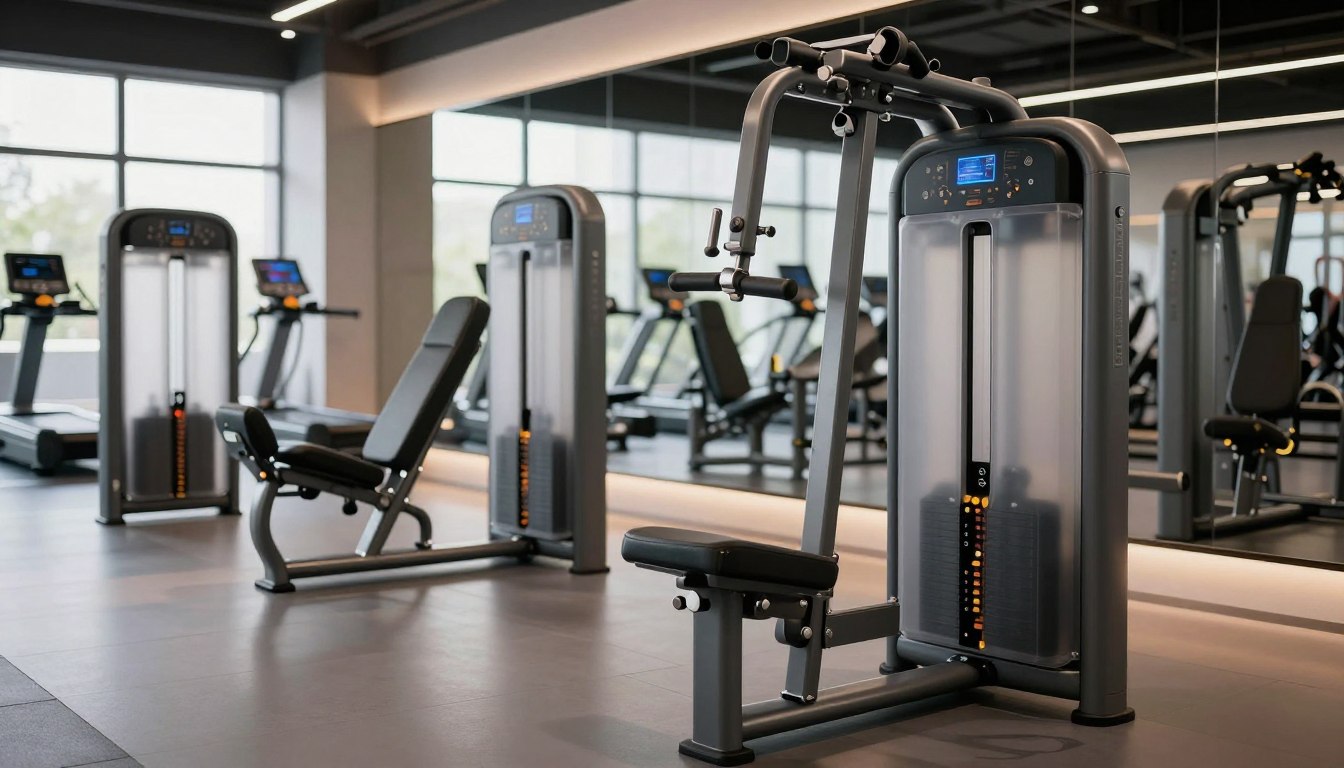
We look into the benefits of heavy resistance training. It boosts strength and muscle growth. This training is backed by science, improving health greatly.
Physiological Benefits of Heavy Resistance Training
Adding resistance training to your workout routine can make a big difference. It leads to significant health improvements. We see how it’s a key part of staying healthy.
Key Takeaways
- Enhanced strength through resistance training
- Muscle growth and improved overall health
- Scientific principles behind resistance training effectiveness
- Resistance training as a valuable fitness regimen addition
- Substantial physiological improvements through consistent training
Understanding Heavy Resistance Training
To understand the effects of resistance training, we must first grasp the basics of heavy resistance training. This type of training involves lifting weights that are almost as heavy as you can lift. It pushes your muscles to their limits.
Definition and Key Principles
Heavy resistance training is known for its high intensity. It uses weights that are more than 80% of what you can lift once. The main principles are progressive overload and proper form. These ensure you keep getting stronger and avoid injuries.
The American Council on Exercise (ACE) stresses the importance of proper form. Proper technique makes your workouts more effective and safer. It helps engage the right muscles and prevents injuries.
Differences Between Heavy and Light Resistance Training
The main difference between heavy and light resistance training is their intensity and goals. Heavy training aims to boost your maximum strength and power. Light training, on the other hand, focuses on improving muscle endurance.
| Characteristics | Heavy Resistance Training | Light Resistance Training |
| Intensity | High (above 80% 1RM) | Low to Moderate (below 60% 1RM) |
| Repetitions | Low (3-5 reps) | High (12-15 reps or more) |
| Goals | Maximal Strength, Power | Muscular Endurance, Hypertrophy |
Knowing these differences helps you create a training plan that suits your goals. Whether you want to get stronger, improve endurance, or boost fitness, understanding these principles is key.
resistance training effects
Neuromuscular Adaptations to Heavy Resistance Training
When we do heavy resistance training, our body changes a lot. These changes help us get stronger and move better. Let’s look at the main ways our body adapts to this kind of training.
Motor Unit Recruitment and Firing Rate
One big change is how our muscles work better. Motor units are groups of muscle fibers that work together. With more training, these units work together better, making us stronger.
Our muscles also get faster and stronger. This is because our nerves send signals to our muscles faster and more powerfully.
Progressive Overload and Neural Drive
Another key thing is progressive overload. This means we keep getting stronger by lifting more weight. This makes our nerves work better, helping us get stronger faster.
Neural Efficiency and Coordination Improvements
Training also makes us move better. Our body gets better at working together, making movements smoother and using less energy. This is really important for doing complex lifts well.
Skill Acquisition in Complex Lifts
Getting better at complex lifts is a big part of training. As we practice, our body gets better at coordinating muscle movements. This helps us lift more efficiently and safely.
neuromuscular adaptations to heavy resistance training
Understanding these changes helps us see how our body and muscles work together. This knowledge lets us train smarter, getting stronger and building muscle better.
Muscle Hypertrophy Mechanisms
Muscle hypertrophy is a complex process that happens when we do resistance exercises. It involves changes at the mechanical, metabolic, and cellular levels. Knowing how these changes work is key to getting the most out of our workouts.
Mechanical Tension and Muscle Damage
Mechanical tension is a big player in muscle growth. It causes tiny tears in muscle fibers, starting the repair process. This repair process is what makes muscles bigger. Muscle damage from heavy workouts also helps by causing inflammation and repair.
Protein Synthesis Pathways
Protein synthesis is essential for muscle growth. When we do resistance exercises, it turns on the mTOR pathway. This pathway helps make more muscle protein, leading to muscle growth.
Metabolic Stress and Cellular Swelling
Metabolic stress from workouts helps muscles grow. It boosts anabolic signals and increases growth factors. Cellular swelling, from more water inside cells, also helps by turning on growth signals.
Growth Factor Activation
Growth factors, like IGF-1, are important for muscle growth. They help satellite cells grow and repair muscles. This is crucial for muscle repair and growth.
Understanding how muscle hypertrophy works helps us create better workout plans. By focusing on resistance exercise benefits and heavy weight training benefits, we can tailor workouts for better muscle growth. This approach optimizes muscle growth and overall health.
- Mechanical tension and muscle damage stimulate muscle growth.
- Metabolic stress and cellular swelling contribute to hypertrophy.
- Protein synthesis pathways and growth factor activation are key mechanisms.
Hormonal Responses to Heavy Resistance Training
Heavy resistance training triggers important hormonal changes. These changes are key for muscle growth and overall health. They play a big role in increasing muscle size, strength, and metabolic health.
Testosterone and Growth Hormone Production
Testosterone and growth hormone are two vital hormones affected by heavy resistance training. Testosterone helps build muscle protein. Growth hormone boosts the production of IGF-1, aiding in muscle growth and repair.
Acute vs. Chronic Hormonal Changes
It’s important to know the difference between acute and chronic hormonal changes. Acute changes happen right after exercise. Chronic changes develop with regular training. Understanding these helps in creating better training plans.
Insulin-Like Growth Factor and Cortisol Regulation
IGF-1 and cortisol are also impacted by resistance training. IGF-1 helps grow muscle. Cortisol, known as the “stress hormone,” can break down muscle if levels stay high.
Endocrine System Adaptations
The endocrine system adapts to resistance training in complex ways. Long-term training can improve hormonal balance. This leads to better muscle growth and overall health.
| Hormone | Function | Effect of Heavy Resistance Training |
| Testosterone | Muscle Protein Synthesis | Increased Production |
| Growth Hormone | Stimulates IGF-1 Production | Increased Production |
| IGF-1 | Muscle Growth and Repair | Increased Production |
| Cortisol | Stress Response | Regulated Levels |
Metabolic Effects and Energy Expenditure
Heavy resistance training changes how our body uses energy. It builds strength and muscle. It also improves our metabolic health.
Acute Metabolic Responses During Exercise
Heavy resistance training triggers a quick metabolic response. This is key for energy during the workout.
Energy Systems Utilization
Our body uses different energy systems during heavy resistance training. These systems provide the energy for muscle contractions. The phosphagen system is for short, intense efforts. The glycolytic system is for longer, intense activities. Oxidative phosphorylation is important for long exercise.
Post-Exercise Oxygen Consumption and Fat Metabolism
After heavy resistance training, our body’s metabolic rate stays high. This is called excess post-exercise oxygen consumption (EPOC). It helps our body burn fat as it returns to rest.
Long-term Metabolic Rate Changes
Regular heavy resistance training can change our resting metabolic rate (RMR). As we gain muscle, our RMR goes up. This means we burn more calories at rest. It helps with weight management and metabolic health.
In conclusion, heavy resistance training affects our metabolic health in many ways. It changes how we use energy during and after exercise. Understanding these effects helps us see the benefits of adding heavy resistance training to our fitness routine.
The Physiological Benefits of Heavy Resistance Training
Heavy resistance training boosts your overall health. It’s great for building muscle and getting stronger. It also improves your overall well-being in many ways.
Systemic Physiological Adaptations
Heavy resistance training makes your body work better. It changes your body at many levels, from tiny cells to the whole system.
Cellular and Molecular Mechanisms
At the cellular level, it boosts muscle protein synthesis, leading to bigger muscles. It also starts molecular changes that make muscles stronger and more resilient. For example, it can turn on genes that help muscles grow and repair.
- Enhanced muscle protein synthesis
- Increased expression of genes related to muscle growth
- Improved muscle function and resilience
Long-term Health Implications
Heavy resistance training has long-term health benefits. It can make your life better and longer.
Preventative Health Benefits
Doing heavy resistance training regularly can prevent many health problems. It can lower the risk of osteoporosis, type 2 diabetes, and cardiovascular disease. It also helps your mental health by reducing anxiety and depression.
- Reduces the risk of chronic diseases
- Enhances mental health
- Improves overall physiological function
Adding heavy resistance training to your workout routine can make you healthier and more resilient. It’s a smart choice for a better life.
Cardiovascular Adaptations to Resistance Exercise
The heart and blood system change a lot when you do resistance exercises. These changes help us understand how heavy workouts improve heart health.
Blood Pressure Regulation and Vascular Function
Doing regular resistance training can make your blood pressure better. This is because your blood vessels work better, allowing for more blood flow. Improved vascular function means your muscles get the oxygen and nutrients they need during exercise.
- Increased nitric oxide production
- Enhanced endothelial function
- Better blood flow regulation
Heart Rate Variability and Cardiac Output
Resistance training also affects your heart rate and how well your heart pumps. Higher HRV means your heart is more flexible and healthy. Plus, your heart pumps more blood, thanks to bigger strokes.
These changes are key to the muscle building advantages and strength training benefits. They show why resistance training is good for your heart.
Bone and Connective Tissue Strengthening
Heavy resistance training does more than just build muscle. It also boosts bone and connective tissue health. This exercise is key for strong muscles and bones, leading to a better life quality.
Heavy resistance training makes bones and connective tissues stronger. It helps improve bone mineral density. This is vital for avoiding osteoporosis and fractures.
Bone Mineral Density Improvements
Resistance training, with heavy weights, grows bones and boosts bone mineral density. It does this by stressing bones, which makes them stronger.
Regular heavy resistance training can greatly improve bone density, even in older adults. This is important for preventing bone loss and fractures.
Tendon and Ligament Adaptations
Heavy resistance training also strengthens tendons and ligaments. These tissues become more resilient and can handle stress better. This reduces injury risk.
Tendons and ligaments get stronger due to more collagen and better structure. People who regularly do heavy resistance training get fewer injuries.
Adding heavy resistance training to your routine can greatly improve your musculoskeletal health. You’ll enjoy stronger bones, tendons, and ligaments.
Endocrine and Metabolic Health Benefits
Heavy resistance training does more than build muscle. It also boosts our metabolic and endocrine systems. Adding it to our workout routine can greatly improve our health.
Insulin Sensitivity and Glucose Metabolism
Heavy resistance training makes our bodies better at using insulin. This helps glucose get into cells more easily, lowering the risk of type 2 diabetes. Research shows it improves insulin sensitivity by helping muscles take up glucose, even after we stop exercising.
Doing heavy resistance training regularly can lead to better glucose metabolism. This is key for those at risk of metabolic problems.
Inflammation Markers and Immune Function
Resistance training fights inflammation, which is good for our health. Less chronic inflammation means lower risks of heart disease and some cancers. It also boosts our immune system by increasing white blood cells, which fight infections.
Heavy resistance training reduces inflammation and strengthens our immune system. It’s a vital part of a complete fitness plan for better health and well-being.
Aging and Resistance Training: Physiological Considerations
As we get older, adding resistance training to our routine is key. It’s not just for athletes or the young. It’s crucial for staying healthy as we age. Older adults who do resistance training see better muscle mass, bone density, and function.
Sarcopenia Prevention and Mitigation
Sarcopenia is a big worry for older folks. It’s the loss of muscle and strength with age. But, resistance training can help stop or slow it down. Regular exercises keep or boost muscle and strength, helping older adults stay healthy and independent.
Hormonal Benefits for Aging Populations
Resistance training also helps with hormones in older people. It can keep testosterone and growth hormone levels up, which drop with age. Plus, it makes insulin work better and helps control blood sugar, lowering the chance of type 2 diabetes.
| Benefits | Description |
| Sarcopenia Prevention | Resistance training helps maintain muscle mass and strength. |
| Hormonal Regulation | Improves testosterone and growth hormone levels. |
| Improved Insulin Sensitivity | Reduces the risk of developing type 2 diabetes. |
Conclusion: Maximizing Physiological Benefits Through Strategic Implementation
Heavy resistance training brings many benefits, like muscle growth and better heart health. To get the most out of it, you need a good training plan. This plan should fit your fitness goals and needs.
Knowing how to structure your training is key. Think about adding more weight, doing more reps, and training more often. This helps your body keep getting stronger and adapting.
The benefits of heavy resistance training are big. You’ll see better muscle strength, a faster metabolism, and overall health improvement. By choosing the right training, you can reach your fitness goals and become stronger and healthier.
FAQ
What are the primary physiological benefits of heavy resistance training?
Heavy resistance training boosts strength and muscle growth. It also improves health by increasing bone density and insulin sensitivity. Plus, it’s good for the heart.
How does heavy resistance training differ from light resistance training?
Heavy training uses weights close to your max. Light training uses lighter weights for more reps. It’s better for endurance, not strength.
What are the neuromuscular adaptations that occur with heavy resistance training?
Heavy training changes how muscles work. It improves muscle contractions and coordination. This makes movements more efficient.
How does heavy resistance training affect muscle hypertrophy?
It stimulates muscle growth through tension and damage. This leads to more protein synthesis and bigger muscles.
What hormonal responses occur with heavy resistance training?
It boosts testosterone and growth hormone. It also affects insulin-like growth factor and cortisol. These changes help with muscle growth and recovery.
How does heavy resistance training impact cardiovascular health?
It improves heart health by changing blood pressure and heart function. This leads to better overall heart health.
Can heavy resistance training improve bone mineral density?
Yes, it can make bones stronger. This reduces the risk of osteoporosis and fractures, mainly in older adults.
How does heavy resistance training affect insulin sensitivity and glucose metabolism?
It makes the body better at using insulin. This lowers the risk of diabetes and metabolic syndrome.
Is heavy resistance training beneficial for aging populations?
Yes, it’s great for older adults. It prevents muscle loss, improves hormones, and boosts overall health.
How can I incorporate heavy resistance training into my fitness regimen?
Talk to a healthcare professional or certified trainer. They can help create a program that fits your needs and goals. Make sure to learn proper form and technique.