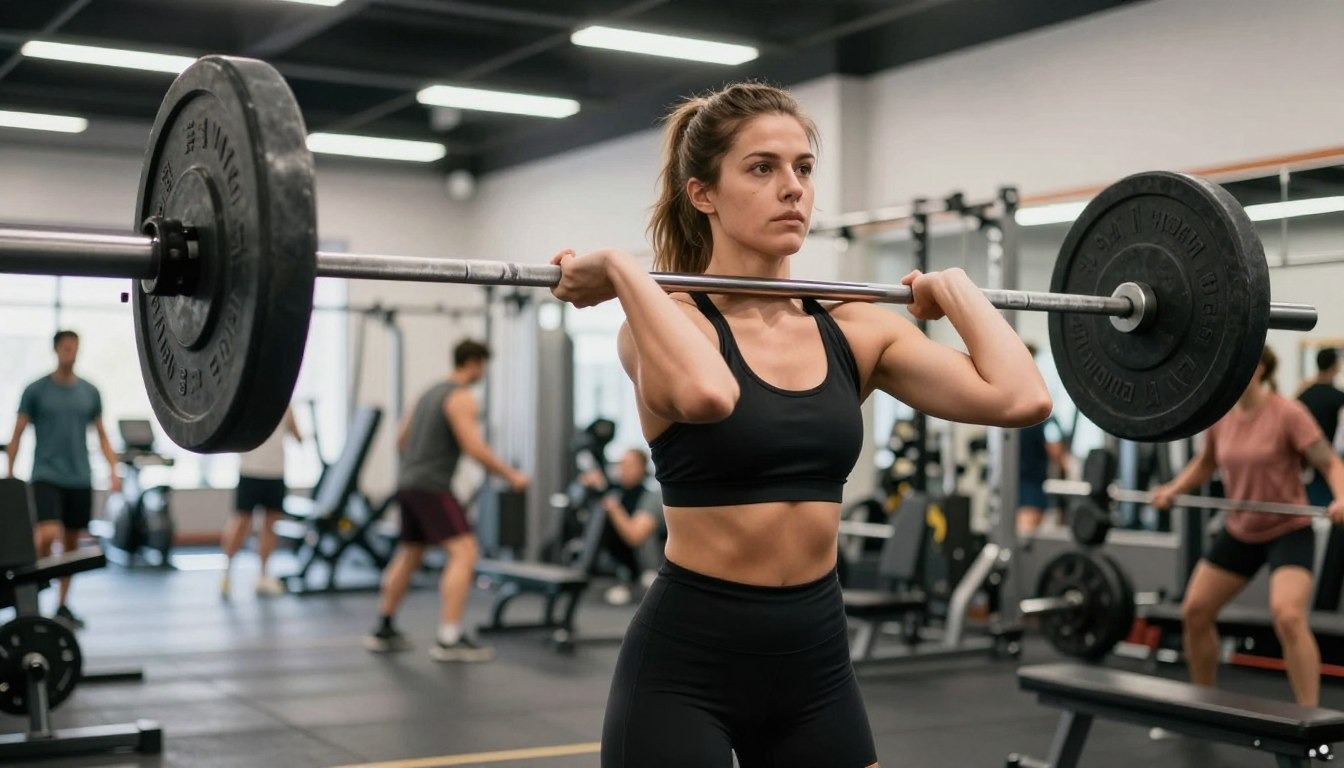
Many women worry about lifting weights, thinking they’ll get bulky. But, this fear often comes from not understanding strength training.
I’ve talked to gym fans in the USA and UK. They share important facts about weightlifting’s effects on women’s bodies. Lifting weights can help women reach their fitness goals, like toning muscles or boosting health.
Do Heavy Weights Make Women Bulky? Truth from USA & UK Gym Girls
It’s key to know how weightlifting affects women’s bodies. This helps clear up myths and shows the good side of strength training.
Key Takeaways
- Weightlifting is not likely to make women bulky.
- Strength training offers numerous health benefits for women.
- Women’s fitness goals can be achieved through a well-structured weightlifting program.
- Misconceptions about weightlifting can be dispelled through education.
- Embracing strength training can lead to a healthier, more toned physique.
The Common Fear: Will Lifting Heavy Make Me Look Masculine?
Many women worry that lifting heavy weights will make them look masculine. They think it will cause them to grow bulky muscles, losing their feminine look.
women weightlifting myths
Why This Myth Persists Among Women
Several reasons keep this myth alive. One is the lack of clear info on how muscles grow in women. Women’s bodies are different from men’s, thanks to hormones.
Another reason is how society and media portray women. Pictures of female bodybuilders scare many, showing a different reality than most women face.
- Misunderstanding of muscle development
- Societal and media influences
- Lack of representation of average women’s fitness journeys
What Real Gym Girls Say About Their Initial Fears
Women who lift weights often find their fears were wrong. They didn’t know how their bodies would react.
“I was terrified that I’d wake up one morning with huge muscles. But what actually happened was I got stronger and leaner.” – Rachel, gym enthusiast
Common Misconceptions Debunked
One big myth is that lifting heavy will make women big and muscular. But, big muscles need special training and diet.
Key facts:
- Women have lower levels of testosterone, making it harder to build large muscles.
- Weightlifting can help achieve a toned, feminine physique.
- Proper nutrition and training plans are crucial for muscle development.
Learning the truth and hearing from gym girls helps women decide to lift weights. It’s a smart choice for their fitness.
The Science Behind Female Muscle Development
Building muscle in women involves many factors. Hormones, genetics, and body functions all play a part. Knowing these helps women get the most out of weight training.
Hormonal Differences Between Men and Women
Hormones affect muscle growth differently in men and women. Women have less testosterone, which is key for building muscle. But they have more estrogen, which impacts muscle growth and fat.
female muscle development
Genetic Factors That Influence Muscle Growth
Genetics also shape how women build muscle. Different genes can change how muscles grow and respond to exercise. Knowing your genetic limits helps set achievable goals.
The Reality of Testosterone Levels in Women
Testosterone is often linked with men, but women have it too, just less. It helps with muscle strength and growth in women. This knowledge helps clear up the idea that lifting heavy makes women bulky.
How Female Physiology Responds to Resistance Training
Resistance training changes how women’s bodies adapt. It increases muscle size, strength, and how muscles work together. The right training improves muscle tone and health.
Understanding the science of female muscle development is key. It’s not just about lifting heavy. It’s about knowing how your body reacts to training and nutrition.
Real Stories: What USA Gym Girls Experienced
USA gym girls show that heavy weightlifting is for everyone, not just men. They share how lifting heavy has changed their fitness and lives.
Testimonials from American Women Who Lift Heavy
Sarah started lifting heavy three years ago and saw big changes. She says,
“Lifting heavy has given me a sense of empowerment I never thought possible. I’m stronger, both physically and mentally.”
Emily also saw big improvements in her fitness. She says,
“I was skeptical at first, but after starting a weightlifting program, I saw real results. My body was toned, and I felt more confident than ever.”
Before and After: Physical Changes They Actually Saw
Many women noticed big changes in their bodies. They lost fat and gained muscle. Rachel, a 30-year-old mom, lost 20 pounds and got stronger.
These changes also improved their mental health. As weightlifting for women’s toning grows, more women see these benefits.
Mental Benefits They Didn’t Expect
Women also gained mental clarity and confidence from lifting heavy. The discipline helps in other life areas, boosting mental well-being.
How Their Fitness Journeys Evolved Over Time
Women’s fitness goals often change over time. At first, they might focus on looks, but then they aim for health and strength. Sarah started to lose weight but soon wanted to be stronger and more resilient.
This change shows the full benefits of heavy weightlifting. It’s not just about looks; it’s about becoming a stronger, more confident person.
Across the Pond: UK Women’s Weightlifting Journeys
The UK has a vibrant community of women who are breaking stereotypes in weightlifting. As the sport grows, it’s clear that culture shapes how we approach fitness.
British Perspectives on Heavy Lifting
British women see weightlifting as a way to challenge old norms and find empowerment. This view is shaped by their culture and society.
Cultural Differences in Fitness Approaches
Fitness cultures differ a lot between the UK and the US. Knowing these differences helps us understand the global weightlifting scene better.
| Cultural Aspect | UK Approach | US Approach |
| Fitness Goals | Often focus on overall health and strength | May emphasize aesthetics and competition |
| Training Methods | Frequently incorporate functional training | May focus on bodybuilding techniques |
Success Stories from UK Gyms
Many UK gyms share stories of female members who’ve seen big strength gains and health improvements.
Comparing UK and US Women’s Experiences
Despite cultural differences, weightlifting’s core benefits are the same everywhere. Women in both the UK and the US feel more confident, stronger, and part of a community.
In conclusion, the UK women’s weightlifting stories show the sport’s global appeal and benefits. By understanding different cultural views, we can build a more welcoming and supportive space for women everywhere.
Do Heavy Weights Make Women Bulky? Truth from USA & UK Gym Girls
In the fitness world, many believe heavy lifting makes women bulky. But, evidence and experts are challenging this myth. It’s important to know the truth as more women start strength training.
The Consensus Among Regular Lifters
Women who lift heavy often look toned, not bulky. A survey in the USA and UK found most women get stronger without gaining too much muscle. They see real strength gains without bulk.
“I’ve been lifting heavy for over a year now, and instead of getting bulky, I feel stronger and more toned than ever.” – Rachel, USA Gym Enthusiast
What Professional Trainers Say About Women and Heavy Weights
Trainers say women don’t bulk up from lifting heavy because of hormonal differences. They have less testosterone than men. They suggest focusing on proper form and increasing weight slowly, not worrying about getting bulky.
| Myth | Reality |
| Lifting heavy weights makes women bulky. | Women typically develop strength and tone without bulk due to lower testosterone levels. |
| Heavy weightlifting is dangerous for women. | With proper form and training, heavy weightlifting is safe and beneficial. |
Debunking the Most Common Misconceptions
Many believe lifting weights will make women bulky. But, diet, genetics, and training are more important for your look. These factors have a bigger impact than weightlifting alone.
The Real Factors That Determine Your Physique
- Diet: Eating more calories can help you gain muscle.
- Genetics: Your genes affect how you respond to exercise.
- Training Regimen: Certain workouts can help you build muscle or get stronger.
Knowing these factors helps women feel confident when lifting weights. They realize bulkiness isn’t a sure thing.
How to Start Lifting Heavy Without Fear: Step-by-Step Guide
Starting to lift weights can seem scary, but a good guide can help. It’s not just about getting stronger; it’s also about building mental toughness and discipline.
Step 1: Setting Realistic Expectations and Goals
It’s important to set goals that are realistic and achievable. Know your current fitness level and what you want to achieve. Having clear goals helps you track your progress and stay motivated.
Step 2: Finding the Right Program for Your Body Type
Every body is different, and so are the best weightlifting programs for each. It’s key to find a program that fits your body type and goals. You might need to talk to a fitness expert or do some research.
Step 3: Mastering Proper Form and Technique
Learning the right form and technique is vital. It helps prevent injuries and makes sure you’re getting the most out of your workouts. This means knowing the correct posture, movement, and breathing for each exercise.
“Form is more important than weight. It’s better to lift lighter weights with proper form than to risk injury with heavy weights and poor form.” –
A certified personal trainer
Step 4: Implementing Progressive Overload Safely
Progressive overload means slowly increasing the weight to challenge your muscles and help them grow. It’s a key part of weightlifting.
Safety Tips and Common Mistakes to Avoid
When you’re increasing the weight, do it safely to avoid injuries. Don’t rush to lift heavier weights, listen to your body, and always warm up before lifting.
| Safety Tips | Common Mistakes |
| Warm up before each session | Increasing weight too quickly |
| Start with lighter weights | Neglecting proper form |
| Listen to your body | Not allowing for recovery time |
By following these steps and focusing on safety, women can start their weightlifting journey with confidence. They can reach their fitness goals without fear.
Creating Your Balanced Weightlifting Routine
Creating a good weightlifting routine takes some thought. You need to focus on compound movements and find the right rep ranges. Also, plan your workouts for the week and think about recovery and nutrition.
Step 1: Selecting Compound Movements for Maximum Results
Compound movements work many muscles at once. Examples are squats, deadlifts, and bench presses. These exercises are great for building strength. Adding compound movements to your routine can lead to better results faster.
Step 2: Determining Optimal Rep Ranges for Your Goals
The number of reps you do should match your fitness goals. For strength, use lower reps (3-5) with heavy weights. For building muscle, choose moderate reps (8-12). Knowing your goals helps pick the right rep range.
Step 3: Structuring a Weekly Workout Plan
A good weekly workout plan covers all major muscle groups and allows for rest. Divide your workout into days for different muscle groups. For example, chest and triceps one day, and back and biceps the next. This split routine helps in balanced growth and recovery.
Step 4: Incorporating Recovery and Nutrition Strategies
Recovery and nutrition are key to a successful weightlifting routine. You need enough protein for muscle repair and growth. Also, rest days are crucial for muscle recovery. Not paying attention to recovery can cause overtraining and injury.
Warning Signs of Overtraining to Watch For
Overtraining shows up as constant tiredness, lower performance, and more soreness. Listen to your body and adjust your routine as needed. Spotting overtraining early helps avoid injuries.
By following these steps and listening to your body, you can make a balanced weightlifting routine. This routine will support your fitness goals and overall health.
What Actually Happens When Women Lift Heavy: The Timeline
Women often wonder what changes happen when they start lifting heavy. The journey to getting stronger and fitter is slow. It takes time for the body to adapt. Knowing this timeline helps women stay motivated and focused on their strength training goals.
First Month: Initial Adaptations and Changes
In the first month, women may not see big changes right away. Neuromuscular adjustments happen as the body gets better at using more muscle fibers. This leads to increased strength. Women might also feel more energetic and happy due to hormones released during exercise.
Three to Six Months: Visible Transformations
Between three to six months, women often see big changes in their body. Muscle tone gets better, and muscle mass increases in areas like arms, legs, and shoulders. This time is important for adding more weight or resistance to keep growing stronger and building muscle.
Long-term: Sustainable Physical and Health Benefits
Long-term, lifting heavy brings lasting benefits. Women see more muscle growth, stronger bones, and better metabolism. They also enjoy better mental health, like less stress and a happier mood, with regular training.
When and How to Adjust Your Training Approach
It’s key to check and change your training plan to avoid getting stuck. This could mean trying new things, lifting heavier, or focusing on different muscles. Progressive overload is a must for keeping getting better.
Tracking Progress Beyond the Scale
The scale is helpful, but it’s not everything. Women should also watch how their body changes, get stronger, and feel better overall. Using photos, strength logs, and other measurements gives a fuller picture of progress.
Conclusion: Embracing Strength Without Myths
Lifting heavy weights changes your body and mind. The idea that it makes women bulky is a myth. Women in gyms in the USA and UK have proven this wrong.
They show that with the right training, women can get strong and toned. They don’t have to worry about getting too big.
Women’s bodies don’t build up like men’s because of hormones. They have less testosterone. This means they can get strong without getting bulky.
By understanding this, women can follow a good weightlifting plan. They can get stronger, have denser bones, and feel more confident.
The journey to strength is not just about the body. It’s also about beating mental barriers and myths. Women can lift safely and reach their fitness goals.
Stories from gym girls in the USA and UK show the power of weightlifting. They prove that with hard work and the right attitude, women can discover their true strength.
So, do heavy weights make women bulky? No, not without special training and diet plans. Women can lift heavy, stay strong, and still be feminine. It’s time to break free from myths and find the strength within.
FAQ
Will I get bulky if I start lifting heavy weights?
No, lifting heavy weights alone won’t make you bulky. Women usually don’t have enough testosterone to build big muscles. Proper nutrition, consistent training, and genetics are more important for muscle growth.
What are the benefits of weightlifting for women?
Weightlifting can make you look toned, increase strength, and boost metabolism. It also helps improve bone density and overall health. Plus, it can make you feel less stressed and more confident.
How do I avoid getting too muscular from weightlifting?
To avoid getting too muscular, do a balanced workout with compound exercises and higher reps. Also, watch your diet and avoid too many calories that help muscles grow.
Can weightlifting help with weight loss?
Yes, weightlifting can help with weight loss. Building muscle increases your resting metabolic rate, helping you burn more calories. This, along with a healthy diet, can aid in losing weight.
Is it safe for women to lift heavy weights?
Yes, it’s safe for women to lift heavy weights if done right. Learn proper form, start with manageable weights, and increase the load as you get stronger. This reduces injury risk.
How often should I do weightlifting to see results?
To see results, train 2-3 times a week, focusing on different muscle groups each time. Being consistent and patient is key, as changes may take weeks or months to show.
Will weightlifting make me look masculine?
No, weightlifting won’t make you look masculine. Women can get strong and toned without looking bulky or masculine. The idea that lifting weights makes women look masculine is a myth with no science backing it.
Can I still be feminine while lifting heavy weights?
Absolutely, you can still be feminine while lifting heavy weights. It’s a great way to enhance your physique. When combined with a healthy lifestyle, it helps you achieve a strong, toned body that’s still feminine.