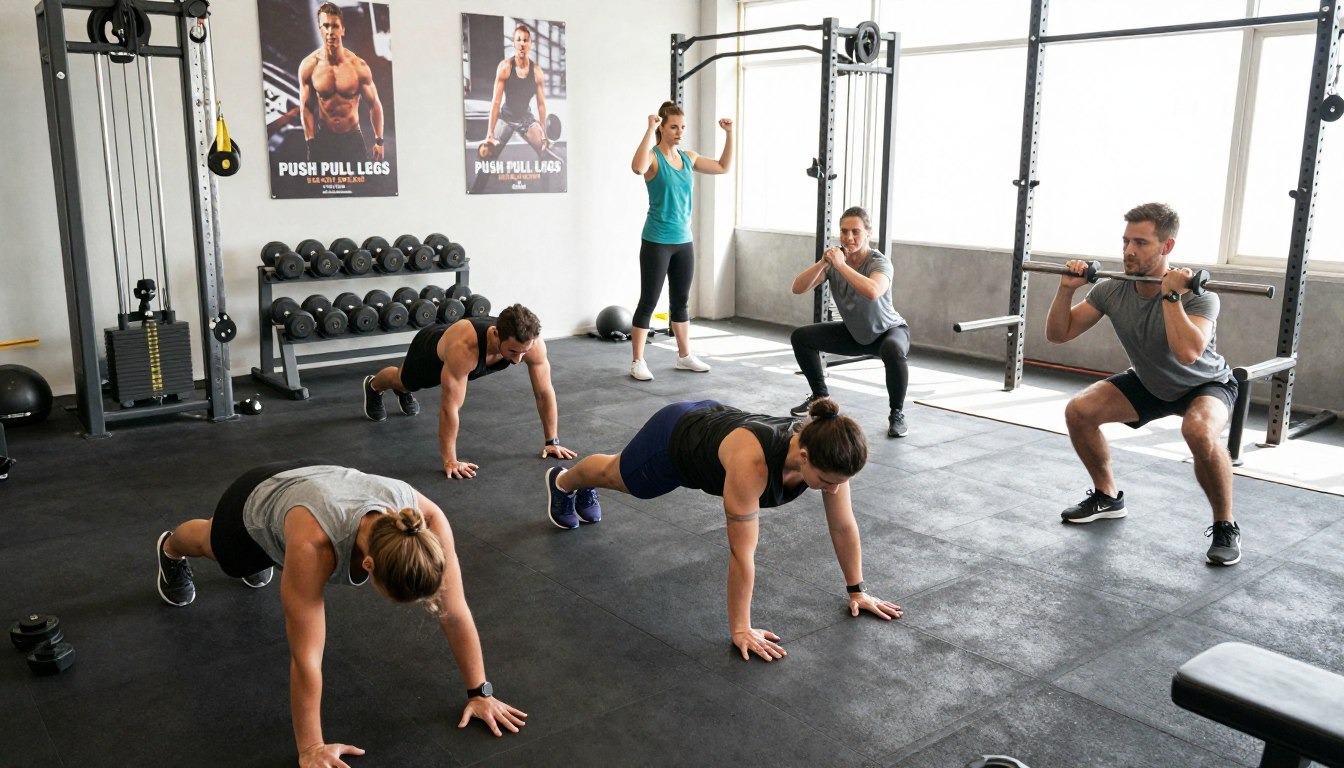
Starting my weight loss journey made me realize how vital a good fat burning plan is. A gym workout focused on weight loss is key to reaching my goals.
Best Gym Workout for Weight Loss (Fat Burning Plan)
A fat burning plan goes beyond just working out. It’s about having a complete plan that includes a healthy diet and regular exercise. By choosing a gym workout made for weight loss, I can see better results.
Key Takeaways
- A well-structured workout plan is essential for achieving weight loss goals.
- A fat burning plan should include a balanced diet and regular physical activity.
- A gym workout tailored to weight loss can help maximize results.
- Consistency and patience are key to a successful weight loss journey.
- A comprehensive plan can help individuals stay motivated and focused.
Understanding the Science of Fat Loss
Fat loss is a complex process involving many physiological steps. To lose weight, understanding how your body burns fat is key. Knowing the role of metabolism is also crucial.
How Your Body Burns Fat
When you eat fewer calories than you burn, your body uses fat for energy. This happens through lipolysis, where fat cells release their contents. Exercises like high-intensity interval training (HIIT) can boost your metabolic rate.
The Role of Metabolism in Weight Loss
Metabolism is vital for weight loss. It’s how fast your body burns calories to keep you alive. A faster metabolic rate helps you lose weight by burning more calories at rest. Gym routines that mix cardio and strength training can increase your metabolism.
| Factors Influencing Metabolism | Impact on Weight Loss |
| Age | Metabolic rate decreases with age |
| Muscle Mass | Increases resting metabolic rate |
| Diet | Certain foods can boost metabolism |
fat loss process
Why Traditional Workouts Often Fail for Weight Loss
Traditional workouts often don’t help people lose weight as they hope. Many visit the gym regularly but still can’t lose pounds. This is because they make common mistakes in their workouts.
Common Gym Mistakes That Hinder Fat Loss
One big mistake is not changing up your workout plan. Doing the same exercises over and over can stop you from getting better. Also, not trying your best during workouts can slow down your progress. To burn calories fast at the gym, you need to try new and challenging exercises.
burn calories fast at the gym
The Problem with Steady-State Cardio Only Approaches
Just doing steady-state cardio isn’t enough. Cardio is key for burning calories, but adding strength training makes your metabolism work harder. This helps you lose fat more effectively. Adding high-intensity interval training (HIIT) can also help you burn more calories during and after your workouts.
Key Components of an Effective Fat Burning Workout
An effective fat-burning workout is more than just exercising. It’s about finding the right balance and intensity. To lose weight, you need exercises that burn calories during and after the workout.
Balancing Cardio and Strength Training
A good workout routine should mix cardio and strength training. Cardio exercises like running or cycling burn calories while you do them. Strength training builds muscle, which helps your body burn more calories when you’re not moving.
For example, using HIIT (High-Intensity Interval Training) for cardio and doing squats and deadlifts for strength can work well.
The Importance of Workout Intensity
Workout intensity is key for fat loss. Workouts that are more intense burn more calories and keep your body burning calories longer after you’re done. Adding interval training and challenging strength exercises can make your workouts more intense.
Best Gym Workout for Weight Loss (Fat Burning Plan)
A 4-week gym workout plan is made to help you burn fat well. It gets harder each week to help you lose fat and keep your muscles.
Overview of the 4-Week Plan
The 4-week plan breaks down into weekly parts. Each part focuses on losing fat and toning muscles. It mixes cardio and strength training exercises to keep workouts fun and effective.
How to Progress Through the Program
To move up in the program, you need to increase the intensity of your workouts each week. You can do this by adding more weight, doing more reps, or taking less rest between sets.
Adapting the Plan to Your Fitness Level
The plan works for everyone, no matter your fitness level. Beginners start with lighter weights and slowly add more. Advanced users start with harder workouts and keep going.
| Week | Focus | Intensity Level |
| 1 | Foundation Building | Low-Moderate |
| 2 | Increasing Intensity | Moderate-High |
| 3 | Maximizing Fat Burn | High |
| 4 | Peak Intensity Phase | Very High |
Week 1: Building Your Foundation
Week 1 is the start of your fitness journey. It lays the groundwork for your success. Our workout plan is designed to help you build a strong base.
Day 1: Full Body Strength Circuit
Begin with a full-body strength circuit. It targets major muscles, boosting strength and endurance. You’ll do squats, push-ups, and lunges.
Exercise Breakdown and Form Tips
Focus on proper form. Keep your back straight in squats, engage your core in push-ups, and step back carefully in lunges. Proper form prevents injuries and boosts workout effectiveness.
Rest Periods and Intensity Guidelines
Rest for 60 seconds between circuits. Aim for a moderate to high intensity. Adjust weights based on your fitness level to keep intensity high.
Day 2: Cardio Intervals
Do cardio intervals on machines like treadmills or stationary bikes. It improves heart health and burns calories.
Machine Options and Settings
Choose a machine you’re comfortable with. Set it to a challenging resistance level. For treadmills, aim for a brisk pace.
Interval Timing Structure
Work at high intensity for 30 seconds, then rest for 30 seconds. Repeat for 20 minutes. This interval structure is key for weight loss.
Day 3: Active Recovery
Take an active recovery day with light yoga or a leisurely walk. It helps with muscle recovery and keeps you active without overdoing it.
Week 2: Increasing Intensity
Now that we’ve laid the groundwork in Week 1, it’s time to step up our game. We’ll dive into more demanding exercises and techniques. This will boost our gym training for fat loss efforts.
Day 1: Metabolic Resistance Training
Metabolic resistance training is all about pushing your limits. It maximizes calorie burn during and after your workout. You’ll do a circuit of exercises with little rest in between.
Circuit Structure and Equipment Needed
The circuit includes exercises like squats, deadlifts, and bench press. You’ll use free weights and resistance bands. You’ll need dumbbells, a barbell, and resistance bands.
Target Heart Rate Zones
Try to hit 80-90% of your max heart rate during the hard intervals. Aim for 60-70% during the rest times.
Day 2: HIIT Cardio Session
High-Intensity Interval Training (HIIT) is a top choice for fat loss. It’s short, intense bursts of exercise followed by quick rests.
Exercise Selection and Alternatives
Go for sprints, burpees, or jump squats. If HIIT is new to you, try cycling or rowing.
Progression from Week 1
Make it harder by cutting down rest times or adding tougher exercises.
Day 3: Targeted Strength Training
Targeted strength training focuses on certain muscles. It helps build strength and aids in fat loss. You’ll do exercises like leg press, chest press, and lat pulldowns.
| Day | Workout Type | Key Exercises |
| Day 1 | Metabolic Resistance Training | Squats, Deadlifts, Bench Press |
| Day 2 | HIIT Cardio | Sprints, Burpees, Jump Squats |
| Day 3 | Targeted Strength Training | Leg Press, Chest Press, Lat Pulldowns |
Week 3: Maximizing Fat Burn
Week three focuses on burning fat with compound movements and high-intensity intervals. This phase is key for losing weight at the gym. It makes your body burn more calories during and after your workout.
Day 1: Compound Movement Circuit
A compound movement circuit is great for burning calories and building strength. It uses exercises that work many muscles at once.
Exercise Combinations for Maximum Calorie Burn
To burn more calories, mix exercises like squats, deadlifts, and bench presses. For example, a circuit could include:
- Squats with dumbbells
- Push-ups
- Lunges with barbells
Form Checks and Safety Tips
Make sure to use the right form to avoid injuries. Keep your back straight during squats and deadlifts. Also, keep your core tight during the exercises.
Day 2: Tabata Intervals
Tabata intervals are a high-intensity workout that boosts your metabolism.
Setting Up Your Tabata Timer
Use a timer for 20 seconds of hard exercise and 10 seconds of rest. Do this for 4-6 rounds.
Exercise Selection for Different Fitness Levels
Pick exercises that fit your fitness level. Beginners can start with burpees or jump squats. More advanced users can try harder versions.
Day 3: Strength and Stability Work
Strength and stability exercises are important for fitness and preventing injuries. Focus on improving your balance and core strength.
- Planks
- Single-leg squats
- Russian twists
Adding these exercises to your routine will help you shed pounds with gym exercises effectively.
Week 4: Peak Intensity Phase
The peak intensity phase is here, and it’s time to challenge ourselves like never before. As we dive into the final week of our fat burning plan, the focus shifts to maximizing our efforts to achieve the best results.
Day 1: Advanced Metabolic Circuit
The advanced metabolic circuit is designed to push your metabolism to its limits. It combines strength training with cardio elements to create a powerful fat-burning workout.
Combining Strength and Cardio Elements
This involves integrating exercises like squats, deadlifts, and bench press with high-intensity interval training (HIIT). This keeps your heart rate elevated and burns more calories.
Recovery Strategies for High-Intensity Work
Adequate recovery is crucial. Ensure you’re getting enough sleep and consider incorporating active recovery techniques like foam rolling or light yoga on your rest days.
Day 2: Sprint and Recover Protocol
The sprint and recover protocol is a HIIT workout. It involves short bursts of maximum effort followed by brief recovery periods.
Gym Equipment Options for Sprints
You can use treadmills, stationary bikes, or rowing machines for sprint intervals. The key is to give maximum effort during the sprint phase.
Monitoring Exertion Levels
It’s essential to monitor your exertion levels to ensure you’re pushing hard enough without overexerting. Use a heart rate monitor or perceived exertion scale.
Day 3: Total Body Burnout Session
The total body burnout session targets all major muscle groups. It uses a mix of compound exercises for a comprehensive workout that leaves you exhausted but accomplished.
As quoted by
“The only bad workout is the one that didn’t happen.” – Joe Cirulli
, let’s make sure to give it our all this week.
Nutrition Strategies to Enhance Your Fat Loss Workouts
To get the most out of your fat loss workouts, you need the right food. A balanced diet helps your body burn fat better. It also supports your exercise routine.
Pre-Workout Nutrition for Optimal Performance
What you eat before working out matters a lot. A mix of complex carbs and lean protein 1-2 hours before can give you energy. Try whole grain toast with avocado and eggs or a banana with almond butter.
Post-Workout Meals for Recovery and Fat Loss
After working out, refueling is key. Eat a mix of protein and carbs within 30-60 minutes to help muscles recover. Good choices include a smoothie with protein, berries, and almond milk or chicken with quinoa and veggies.
Hydration and Supplement Considerations
Drinking enough water is crucial for performance and recovery. Drink 8-10 glasses a day, more if you’re working out hard. Supplements like protein powder and BCAAs can help too. But talk to a doctor before taking them.
Safety Considerations and Injury Prevention
To burn calories fast at the gym, injury prevention is key. A safe workout routine keeps you healthy and boosts your gym workout plan for fat burning success. Paying attention to your body and taking precautions helps you reach your fitness goals safely.
Proper Warm-Up Protocols
A good warm-up is vital before any intense workout. It gets your muscles ready, boosts blood flow, and lowers injury risk. A proper warm-up includes:
- 5-10 minutes of light cardio, such as jogging on the treadmill or cycling
- Dynamic stretching, like leg swings and arm circles
- Activation exercises for the muscle groups you plan to work on
When to Push vs. When to Rest
Knowing when to push and when to rest is key for a safe workout. Pushing too hard can hurt you, while not challenging enough slows progress. Listen to your body and:
- Push yourself during intense workout phases, but avoid overexertion
- Rest when you feel pain or extreme fatigue
By balancing hard workouts with rest, you keep your gym workout plan for fat burning effective and safe.
Tracking Progress and Making Adjustments
To reach your weight loss goals, it’s key to check your progress often and tweak your plan. High intensity workouts for weight loss work well, but keeping an eye on your progress is vital to stay on course.
Beyond the Scale: Better Ways to Measure Success
The scale is helpful, but it’s not the only way to see success. Try tracking your progress with body measurements, energy levels, or health improvements. These methods give a fuller picture of your journey.
When and How to Modify Your Workout Plan
Being flexible with your gym training for fat loss plan is crucial. If you hit a plateau, it’s time to change things up. You might increase workout intensity, switch exercises, or tweak your diet to support your goals.
By regularly checking your progress and adjusting your plan, you keep your workouts effective and on track with your weight loss goals.
Conclusion
Shedding pounds is about more than just working out. It’s about combining effective exercises, good nutrition, and consistent effort. By adding the best exercises for weight loss to your routine, you’re on the path to reaching your fitness goals.
The 4-week workout plan in this article helps you lose fat effectively. It balances cardio and strength training. Follow this plan and make adjustments as needed to lose weight and stay healthy.
Remember, losing weight takes time and effort. It’s not just about the exercises. What you eat and drink also matters. Eating the right foods and staying hydrated helps you lose fat better.
Stay motivated on your fitness journey. Track your progress and celebrate your successes. With the right mindset and a good plan, you can reach your weight loss goals and live a healthy, active life.
FAQ
What is the best gym workout for weight loss?
The top gym workout for losing weight combines cardio and strength training. Focus on high-intensity interval training (HIIT) and exercises that work many muscles at once.
How often should I work out to lose weight?
Aim to work out 3-4 times a week. Mix cardio and strength training. Don’t forget rest days for recovery.
What are the most effective exercises for weight loss?
Key exercises include squats, deadlifts, bench press, rows, and lunges. Also, cardio like running, cycling, and swimming is effective.
How do I create a fat-burning workout plan?
Focus on exercises that work many muscles. Use HIIT and strength training. Work out at a moderate to high intensity.
Can I lose weight with just cardio exercises?
Cardio helps with weight loss, but mixing it with strength training is better for lasting results.
How do I progress through the 4-week workout plan?
Increase the intensity and weight as you get stronger. Adjust the plan based on your fitness and goals.
What are some common gym mistakes that hinder fat loss?
Mistakes include not using enough weight or resistance, not pushing hard enough, and not balancing cardio and strength training.
How important is nutrition in a weight loss plan?
Nutrition is key for workouts and recovery. Eat a balanced diet low in processed foods and sugars to support weight loss.
Can I modify the workout plan to suit my fitness level?
Yes, adjust the plan by changing intensity, weight, and exercises. Include rest days as needed.
How do I track progress and measure success?
Use weight loss, body fat percentage, and measurements. Also, track workouts and take progress photos.